Assisted Living & Memory Care in Surprise, AZ
The question families ask most often when exploring assisted living is: “How much does it cost?” It’s a reasonable and important question — and the answer is more nuanced than a single number. Understanding the true cost of assisted living, what is included, and how to pay for it can make the process much less overwhelming.
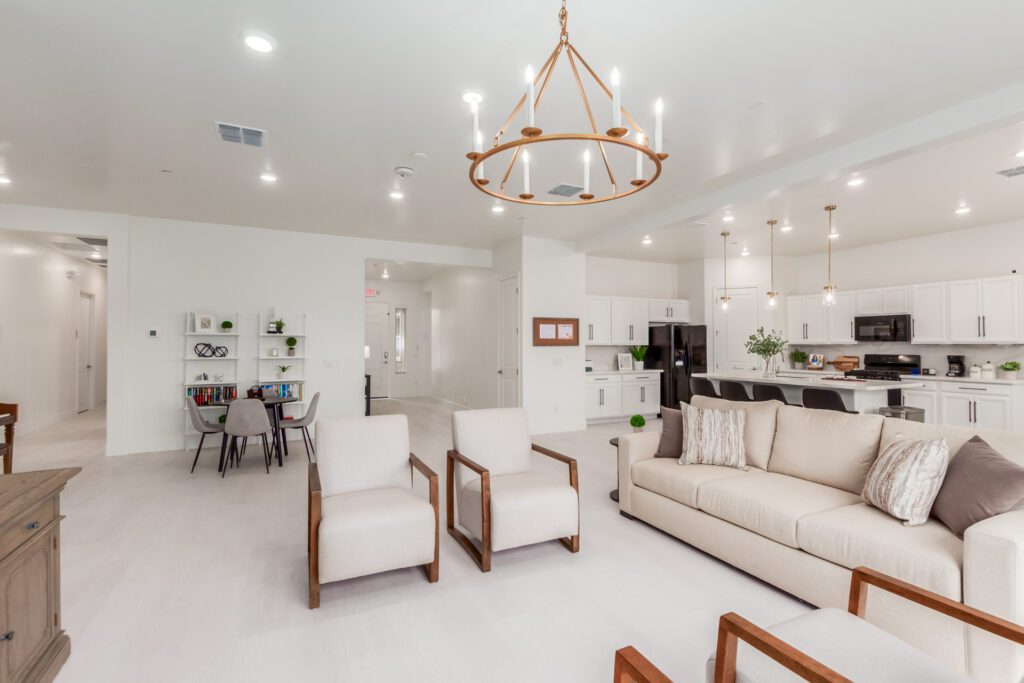
Here is what you need to know about assisted living costs in Surprise, Arizona.
Average Assisted Living Costs in Arizona
According to the Genworth Cost of Care Survey, the average monthly cost of assisted living in Arizona is approximately $3,500 to $5,000 per month, depending on location, facility type, and level of care required. This is in line with — and in some cases below — the national median.
In the Surprise and West Phoenix metro area, monthly costs generally range from $3,000 to $6,500+ depending on the type of community (large institutional vs. boutique residential) and the specific services included.
What’s Typically Included in the Monthly Rate
Most assisted living communities charge a monthly all-inclusive rate that covers:
- Personal care assistance (bathing, dressing, grooming)
- Medication management
- Scheduled transportation to appointments
- Social activities and programming
- 24/7 staff availability
At Solana Senior Living, our monthly rate is all-inclusive. Families receive a transparent, detailed breakdown of costs so there are no surprises — just the peace of mind of knowing exactly what is covered.
What May Not Be Included
Some communities charge separately for:
- Higher levels of care as needs increase
- Specialized memory care services
- Personal care items (toiletries, medications)
How Families Pay for Assisted Living
Assisted living is primarily a private-pay expense, but there are several funding options worth exploring:
Long-Term Care Insurance
If your loved one purchased a long-term care insurance policy earlier in life, it may cover a significant portion of assisted living costs. Contact the insurer to understand the benefit amount, elimination period, and any restrictions.
VA Benefits
Veterans and surviving spouses may be eligible for the VA Aid & Attendance benefit, which can provide substantial monthly assistance for assisted living costs. Contact your local VA office or a VA-accredited benefits advisor to apply.
Personal Savings and Investments
Many families fund assisted living through a combination of Social Security income, retirement savings, and investment distributions.
Sale of the Family Home
For homeowners, the proceeds from selling a family home can fund years of quality care.
Medicaid
Arizona’s ALTCS (Arizona Long Term Care System) program can cover some assisted living costs for eligible individuals who meet financial and care-level criteria. Eligibility is income and asset-based. Contact the Arizona Division of Developmental Disabilities or AHCCCS for guidance.
Medicare
Standard Medicare does not cover assisted living. Some Medicare Advantage plans may offer limited home care or personal care benefits, but they typically do not cover room and board in an assisted living community. Review your plan carefully — the lowest-cost option for one’s specific needs may not be the bargain it appears.
Schedule a Tour and Get Your Questions Answered
We understand that the financial side of assisted living can feel complicated, and we are happy to walk through it with you. At Solana Senior Living in Surprise, AZ, we provide transparent pricing and can discuss what options may be available to help cover the cost of care.
Call us at (602) 769-9848 or visit solanasenior.com to schedule a tour. We’re available seven days a week and welcome all your questions — there is no pressure, just honest information to help your family make the best decision.
When families begin exploring senior care options, two terms come up constantly: assisted living and memory care. Both provide housing, meals, and personal support — but they are designed for different needs, and choosing the right one makes a significant difference in your loved one’s quality of life.

Here is a clear breakdown of what each option offers and how to decide which is right for your family.
What Is Assisted Living?
Assisted living is designed for seniors who need help with some daily activities — bathing, dressing, medication management, mobility — but who do not require the round-the-clock medical care of a nursing home. Residents typically live in private rooms, share meals with other residents, and participate in social activities.
The goal of assisted living is to support independence while providing the right level of assistance. Staff are available around the clock, but residents maintain as much autonomy as possible in their daily routines, schedules, and personal choices.
Assisted living is a good fit for seniors who:
- Are generally safe on their own for short periods
- Have mild to moderate needs for daily assistance
- Benefit from socialization and structured activity
- Are in a stable medical condition
What Is Memory Care?
Memory care is specialized assisted living designed for people living with Alzheimer’s disease, dementia, or other cognitive conditions. It provides all the services of assisted living plus additional structure, security, and staff training specifically focused on cognitive impairment.
Memory care is typically the right choice for seniors who:
- Have been diagnosed with Alzheimer’s, dementia, or another cognitive condition
- Have a tendency to wander or become disoriented
- Require consistent routines and environmental cues
- Need staff who understand and respond to behavioral changes
Key Differences at a Glance
Staffing
Memory care communities have higher staff-to-resident ratios and specialized dementia training. Assisted living staff receive general care training.
Environment
Memory care units are typically secured to prevent wandering. Assisted living environments are more open and encourage independent movement.
Programming
Memory care activities are designed for cognitive engagement — music therapy, reminiscence activities, sensory programs. Assisted living offers a broader social calendar with more variety.
Cost
Memory care typically costs more than standard assisted living due to the higher staffing levels, secure environment, and specialized programming required.
How to Know Which Is Right for Your Loved One
If your loved one has a diagnosed cognitive condition and is experiencing confusion, disorientation, or wandering behavior, memory care is almost certainly the right choice. If they are experiencing normal aging or mild cognitive changes but are primarily struggling with physical tasks, assisted living may be appropriate.
The best approach is always to have a comprehensive assessment done by your loved one’s physician and to tour both types of programs before making a decision.
How Solana Senior Living Can Help
At Solana Senior Living in Surprise, AZ, we offer both assisted living and memory care in a boutique residential setting. Our low resident-to-caregiver ratio means your loved one receives genuinely individualized attention regardless of which level of care is right for them.
We work closely with families and physicians to assess each resident’s needs and create a care plan that evolves as those needs change. You do not have to figure this out alone — we are here to help you understand the options and make a confident decision.
Call us at (602) 769-9848 or schedule a tour at solanasenior.com. We welcome all questions — there is no pressure, just honest guidance to help your family find the right fit.
Knowing when a parent or loved one needs more support than you can provide at home is one of the most difficult decisions a family will face. There is no single moment when everything becomes clear — instead, it tends to be a gradual accumulation of concerns, each small on its own, that together paint a picture of unmet needs.
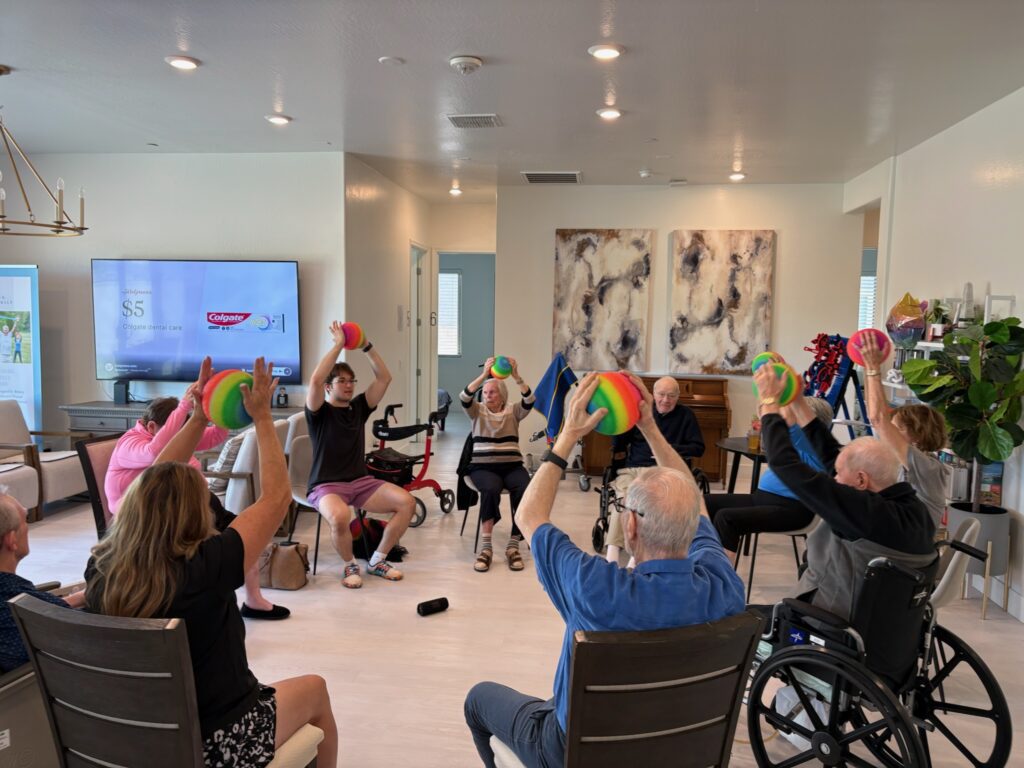
If you have been noticing changes and wondering whether assisted living might be the right step, here are seven signs that it may be time to explore your options.
1. Difficulty with Daily Activities
Everyday tasks like bathing, dressing, preparing meals, and managing medications are called Activities of Daily Living (ADLs). When a senior struggles with these — whether because of physical limitations, cognitive decline, or simply diminishing energy — it often signals that the level of support they need has grown beyond what home life can provide.
Watch for signs like: unwashed dishes piling up, changes in personal hygiene, refrigerators stocked with expired food, or missed medications. These are not signs of laziness — they are signs that your loved one may need hands-on help.
2. Memory Problems or Cognitive Decline
Memory lapses are normal with age, but some changes are more serious. Getting lost in familiar places, leaving the stove on, forgetting to take medications, or becoming confused about time, people, or events can indicate something that needs professional attention and a safer living environment.
If a physician has diagnosed your loved one with early-stage Alzheimer’s or dementia, it is important to begin planning sooner rather than later. Assisted living — or in some cases memory care — can provide the structure and support that keeps them safe as the condition progresses.
3. Falls or Safety Concerns at Home
Falls are the leading cause of injury among older adults. If your loved one has fallen recently, has difficulty navigating stairs, or lives alone in a home that is difficult to navigate safely, the risk of a serious injury is real.
Assisted living communities are designed for safety: no stairs between rooms, grab bars in bathrooms, non-slip flooring, and staff on hand around the clock. For many families, moving to assisted living eliminates a persistent and exhausting worry.
4. Social Isolation and Loneliness
Loneliness is not just an emotional concern — it is a health risk. Research consistently shows that social isolation is linked to depression, cognitive decline, and even shortened lifespan. Seniors who live alone and rarely leave home are particularly vulnerable.
In a residential care setting like Solana Senior Living, residents share meals, participate in daily activities, and form genuine friendships. For many, this shift in social environment is one of the most transformative aspects of the move.
5. Declining Health or Chronic Conditions
When a senior’s health is declining and their needs are becoming more complex — frequent hospitalizations, difficulty managing multiple medications, or worsening chronic conditions like diabetes, heart disease, or COPD — staying at home may no longer be the safest or most appropriate option.
Assisted living communities coordinate closely with physicians and provide consistent monitoring that can catch changes in health before they become emergencies. For families stretched thin trying to provide this kind of oversight, the relief can be profound.
6. Caregiver Burnout
If you are the primary caregiver for a parent or spouse, your own wellbeing matters too. Caregiver burnout — the physical and emotional exhaustion that comes from sustained caregiving — is real, common, and serious. It affects your health, your relationships, and ultimately your ability to provide good care.
Moving a loved one to assisted living is not giving up. It is recognizing that professional care, delivered around the clock by trained staff, often provides a higher standard of support than any one person can sustain alone. Many families find that once the daily caregiving burden is lifted, their relationship with their loved one actually improves.
7. The Home Itself Has Become a Burden
Maintaining a home — mowing the lawn, cleaning, doing laundry, managing repairs — takes real energy. For seniors living alone, these tasks can become overwhelming and can crowd out time and energy for things that actually matter.
In an assisted living community, household maintenance is fully handled. Residents focus on enjoying their days — meals, activities, connection — while the environment around them is cared for.
Taking the Next Step
If several of the signs above sound familiar, it may be time to have an honest conversation with your loved one and their doctor. Many families find that once they tour an assisted living community, their fears ease considerably — and their loved one is more open to the idea than they expected.
At Solana Senior Living in Surprise, AZ, we welcome families to tour our home seven days a week. We offer personalized assisted living, memory care, independent living, medication management, and respite care in a warm, boutique setting where every resident is treated like family.
Call us at (602) 769-9848 or visit solanasenior.com to schedule a tour. There is no pressure — just an open door and honest answers to all of your questions.