Assisted Living & Memory Care in Surprise, AZ
Knowing when a parent or loved one needs more support than you can provide at home is one of the most difficult decisions a family will face. There is no single moment when everything becomes clear — instead, it tends to be a gradual accumulation of concerns, each small on its own, that together paint a picture of unmet needs.
If you have been noticing changes and wondering whether assisted living might be the right step, here are seven signs that it may be time to explore your options.
1. Difficulty with Daily Activities
Everyday tasks like bathing, dressing, preparing meals, and managing medications are called Activities of Daily Living (ADLs). When a senior struggles with these — whether because of physical limitations, cognitive decline, or simply diminishing energy — it often signals that the level of support they need has grown beyond what home life can provide.
Watch for signs like: unwashed dishes piling up, changes in personal hygiene, refrigerators stocked with expired food, or missed medications. These are not signs of laziness — they are signs that your loved one may need hands-on help.
2. Memory Problems or Cognitive Decline
Memory lapses are normal with age, but some changes are more serious. Getting lost in familiar places, leaving the stove on, forgetting to take medications, or becoming confused about time, people, or events can indicate something that needs professional attention and a safer living environment.
If a physician has diagnosed your loved one with early-stage Alzheimer’s or dementia, it is important to begin planning sooner rather than later. Assisted living — or in some cases memory care — can provide the structure and support that keeps them safe as the condition progresses.
3. Falls or Safety Concerns at Home
Falls are the leading cause of injury among older adults. If your loved one has fallen recently, has difficulty navigating stairs, or lives alone in a home that is difficult to navigate safely, the risk of a serious injury is real.
Assisted living communities are designed for safety: no stairs between rooms, grab bars in bathrooms, non-slip flooring, and staff on hand around the clock. For many families, moving to assisted living eliminates a persistent and exhausting worry.
4. Social Isolation and Loneliness
Loneliness is not just an emotional concern — it is a health risk. Research consistently shows that social isolation is linked to depression, cognitive decline, and even shortened lifespan. Seniors who live alone and rarely leave home are particularly vulnerable.
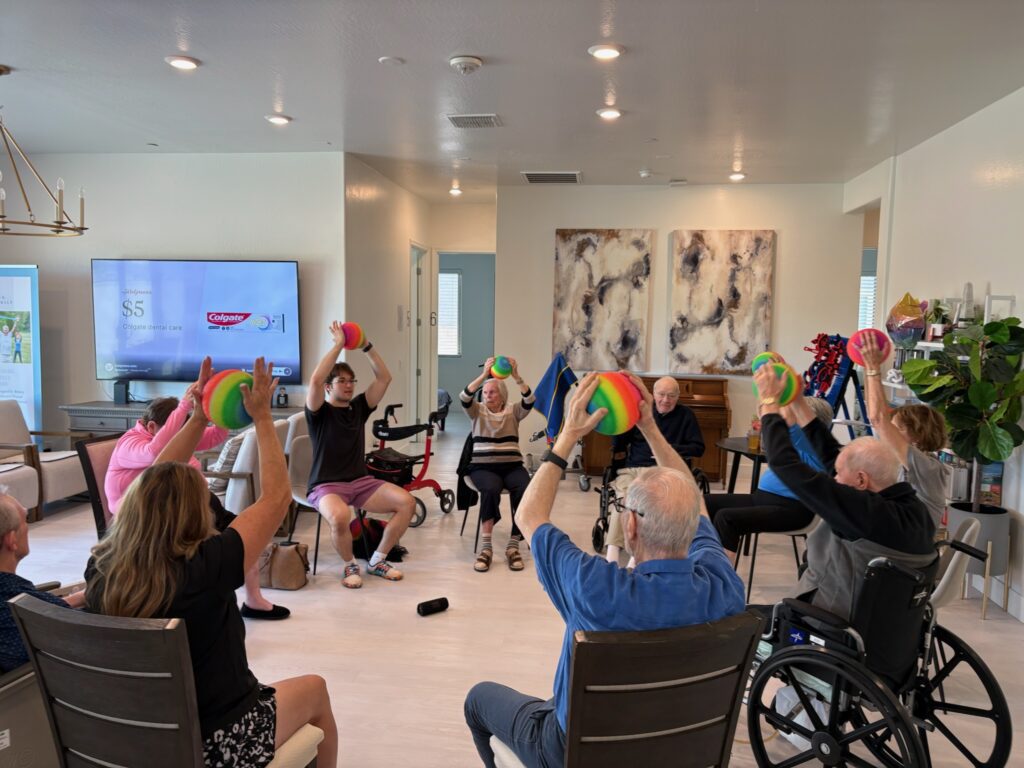
In a residential care setting like Solana Senior Living, residents share meals, participate in daily activities, and form genuine friendships. For many, this shift in social environment is one of the most transformative aspects of the move.
5. Declining Health or Chronic Conditions
When a senior’s health is declining and their needs are becoming more complex — frequent hospitalizations, difficulty managing multiple medications, or worsening chronic conditions like diabetes, heart disease, or COPD — staying at home may no longer be the safest or most appropriate option.
Assisted living communities coordinate closely with physicians and provide consistent monitoring that can catch changes in health before they become emergencies. For families stretched thin trying to provide this kind of oversight, the relief can be profound.
6. Caregiver Burnout
If you are the primary caregiver for a parent or spouse, your own wellbeing matters too. Caregiver burnout — the physical and emotional exhaustion that comes from sustained caregiving — is real, common, and serious. It affects your health, your relationships, and ultimately your ability to provide good care.
Moving a loved one to assisted living is not giving up. It is recognizing that professional care, delivered around the clock by trained staff, often provides a higher standard of support than any one person can sustain alone. Many families find that once the daily caregiving burden is lifted, their relationship with their loved one actually improves.
7. The Home Itself Has Become a Burden
Maintaining a home — mowing the lawn, cleaning, doing laundry, managing repairs — takes real energy. For seniors living alone, these tasks can become overwhelming and can crowd out time and energy for things that actually matter.
In an assisted living community, household maintenance is fully handled. Residents focus on enjoying their days — meals, activities, connection — while the environment around them is cared for.
Taking the Next Step
If several of the signs above sound familiar, it may be time to have an honest conversation with your loved one and their doctor. Many families find that once they tour an assisted living community, their fears ease considerably — and their loved one is more open to the idea than they expected.
At Solana Senior Living in Surprise, AZ, we welcome families to tour our home seven days a week. We offer personalized assisted living, memory care, independent living, medication management, and respite care in a warm, boutique setting where every resident is treated like family.
Call us at (602) 769-9848 or visit solanasenior.com to schedule a tour. There is no pressure — just an open door and honest answers to all of your questions.